Heart of Australia launches in Western Australia!
In late 2025 the Heart Team delivered the first lung cancer screening clinics in the Kimberley. As the official provider for the Commonwealth Government for mobile lung cancer screening in rural and remote Australian communities, we are excited to be rolling out five, new CT clinics to support access to the National Lung Cancer Screening Program (NLCSP) in every state and the Northern Territory.

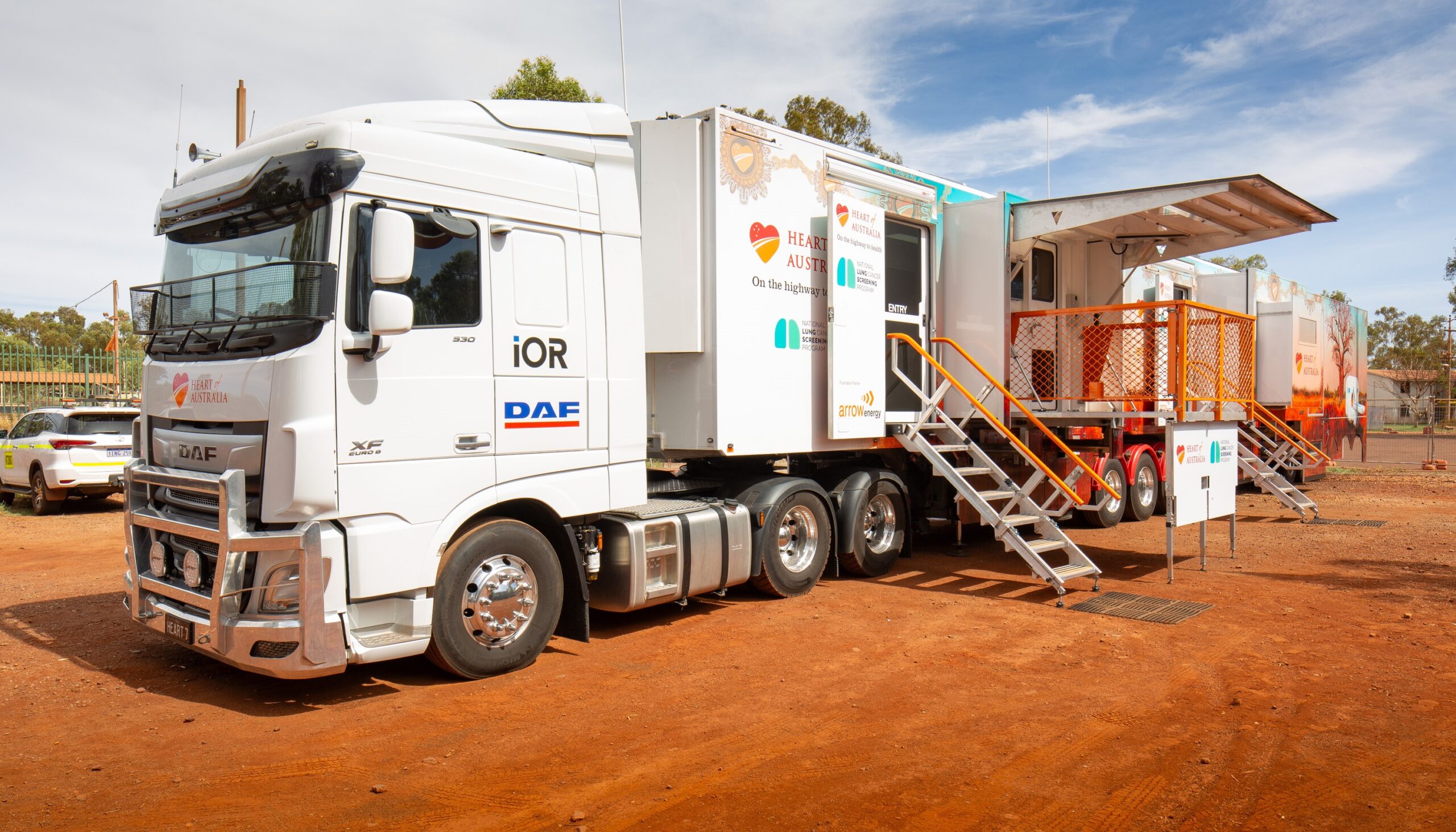
HEART 7, the new state-of-the-art CT health clinic for Western Australia, was officially launched at the 2025 Heart of Australia Gala on Saturday 15 November.

It was a historic occasion, not only marking a major milestone in delivery of mobile services for the NLCSP, but symbolising the start of our national expansion.

Executive Manager of Health and Wellbeing at the Aboriginal Health Council of Western Australia, Kim Gates, joined Heart of Australia Founder, Dr Rolf Gomes, to cut the ribbon for HEART 7, signifying a new dawn for our organisation as we officially cross Queensland borders and roll out our mobile clinics nationwide.

The new design for HEART 7, which displays an iconic Kimberley image of a Boab tree, features Indigenous detailing incorporated from an artwork produced by local Queensland artist, Laurie Anno, for Heart of Australia. The Boab imagery was chosen for its symbolism of strength, healing, and connection in Australia’s remote landscapes. With the Boab standing tall on the mobile clinic, it speaks to a powerful partnership between tradition and innovation, where the enduring spirit of the land meets compassionate care on wheels, ensuring no Australian is left behind.

HEART 7 has since started lung cancer screening across Western Australia – visiting the Pilbara, Kimberley, and Midwest regions, including Derby, Exmouth, Newman, and Meekatharra, to name a few. The full list can be found on our locations page here.

Heart of Australia Founder and 2026 Queensland Australian of the Year, Dr Rolf Gomes, celebrated at a local launch held in Newman on February 17, surrounded by government officials, local healthcare providers, staff and supporters.  

“We are incredibly proud to see the first truck of our national expansion hit the road. To date, we’ve treated almost 20,000 patients, directly saved more than 900 lives, and spared regional Queenslanders over 53 million kilometres of travel for specialist care,” Dr Gomes said.

“This next phase means we can deliver health benefits across the nation – and WA is the perfect place to start. We couldn’t do this without the support of the Federal Government, and our generous corporate partners.”

Minister for Health and Ageing Hon Mark Butler said the National Lung Cancer Screening Program would be the latest addition to Australia’s world-leading cancer screening efforts.

“This program is saving lives. Just weeks ago, someone in Victoria went from screening to surgery in two weeks – their cancer caught early and treated fast,” Minister Butler said.

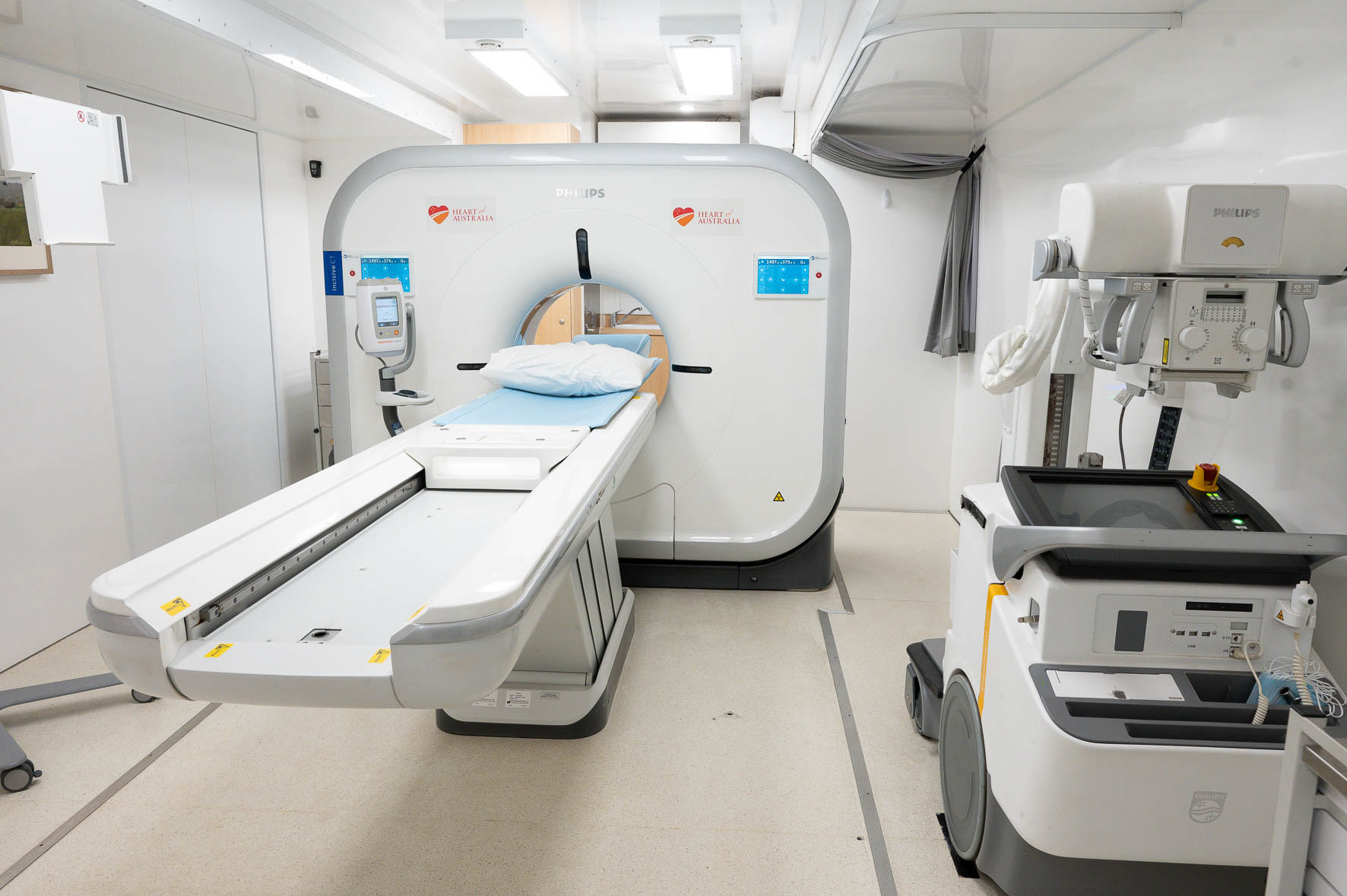
“These aren’t just trucks, they’re mobile clinics fitted with consulting rooms and battery-powered CT scanners, built to reach even the most remote parts of Australia.”

Lung Foundation Australia CEO, Mark Brooke, said Heart of Australia is helping close a critical health gap between metropolitan and remote communities.

“HEART 7 brings life-saving lung screening to regional Australians, and we’re proud to stand with Heart of Australia to rewrite the story of lung health for those left behind,” Mr Brooke said.

About the National Lung Cancer Screening Program

We’re proud to be involved in the delivery of the National Lung Cancer Screening Program which can help find lung cancer early, before symptoms start.

If you’re aged 50 to 70 and have a smoking history, you may be eligible for a free CT scan.

The scan itself is simple and safe for participants. It’s a low-dose CT scan of your chest that looks for early signs of lung cancer, even before you have symptoms.

When found early, over 65% of lung cancers can be successfully treated.

Through our new fleet of mobile CT clinics, we will be bringing access to lung cancer screening to over 50 new communities nationwide. So far communities in Western Australia and the Northern Territory have been announced. HEART 7 (North Western Australia) – November 2025

  • HEART 8 (Northern Territory) – March 2026
  • HEART 9 (Queensland) – July 2026
  • HEART 10 (New South Wales, Victoria and Tasmania) – November 2026
  • HEART 11 (South Australia and South Western Australia) – March 2027

If you think you might be eligible for a free lung cancer screening, ask your doctor or healthcare provider about the program today. 

Saving lives with the Former Workers Program: Andrew, Doug, and Ian’s stories

A man blows into a tube that is connected to a diagnostic machine. A man sits across from him and is speaking.

Outside of our specialist clinics, Heart of Australia runs a suite of programs and other healthcare services that holistically play a part in delivering our mission to make healthcare more accessible to people living in rural and remote areas. The Heart of Australia Corporate Health Initiative (HOACHI) is one of these programs that focuses on occupational and preventative health services in the workplace. This is achieved through respiratory health surveillance for coal mine, mineral mine, quarry industries, and other job sectors that are exposed to harmful dusts.

One of the HOACHI services is delivering Resources Safety & Health Queensland’s  (RSHQ) Former Worker Program. The program offers free lung checks to former Queensland mine and quarry workers on the HEART5 Mobile Health Unit. This program  provides eligible participants the vital opportunity to get a better understanding of their respiratory health, along with other incidental findings. Recent partipants Doug, Andrew, and Ian, took the time to share their experiences with us.

Currently, rural Australians are more likely to end up in hospital and have shorter lifespans due to conditions that could have been detected and treated earlier with better access to medical services compared to city-dwellers. Doug, Andrew, and Ian’s supervising doctor, Dr. Michael Skiba, has seen first-hand how access to Heart of Australia’s specialist testing and diagnostic services has shaped the wellbeing of rural patients for the better.  “In these cases, the outcomes could have been death quite easily,” Dr Skiba said.

“To have an early diagnosis is life-saving for them… [as it] leads to early treatment and support. It [enables] far better outcomes.”

Doug’s Story
Doug spent much of his working life in dusty environments since the 1980’s as a former glass, construction, and mine worker. During this time, dust exposure wasn’t seen as anything to be wary of. Instead, “dust came with the job.” We now know that exposure to dust and other hazardous substances can cause significant and long-term health issues that are often irreversible.

Living in country Australia, Doug had limited access to lung screening services that could provide timely, clear answers, despite his long history of worsening symptoms that were significantly affecting his wellbeing. To receive this care, Doug often found himself having to drive out of town on long trips while experiencing symptoms that made this journey incredibly difficult.

This all changed when Doug booked his free lung check on HEART 5. Doug told us about how everyone “went right out of their way” to assist him through the process of applying and booking a free lung check, which resulted in him finally receiving a clear outcome. Doug said, “I was just falling through the cracks and life would have went on, and I wouldn’t have been any of the wiser. I wouldn’t know what I know now. I owe you my life.”

Doug highlighted that the arrival of Heart of Australia in his community was a major turning point in his health journey. Additionally, Doug has been an advocate for other former workers in his community to come onboard HEART 5 and get a free lung check – “I’ve been telling everyone since then… go and get checked out. [It] cost[s] you nothing… they’re experts. They know what they’re doing.”

Andrew’s Story

Andrew experienced similar health drawbacks after a long working history in coal mining and metal manufacturing that exposed him to occupational dust. HEART5’s arrival in Rockhampton for a Former Worker clinic gave Andrew the chance to address his concerns and give him and his family much-needed answers, as well as identify health issues early on before they worsened. Andrew says the Heart Team “all did an unreal job” and “went to great pains to get everything lined up.”

He describes these free lung check services being available in country areas as “life changing.” “It’s taken a whole lot of stress off my mind… [Heart of Australia] has made one hell of a lot of difference in my life,” Andrew said. When rural communities are able to have more opportunities to access essential health services, they are more likely to receive earlier diagnoses which allows them to receive follow-up care.

Ian’s Story

After 30 years of working in the coal mine industry, Ian saw a post online advertising the free respiratory health services onboard HEART 5 for former mine and quarry workers. Ian credits this appointment as life changing, saying “I actually owe my life to my visit to the [Heart Truck].”

After his appointment revealed urgent health concerns that Ian had not been experiencing symptoms for, his treating doctor, Dr. Skiba, rang him at home straight away to clearly explain his findings and help outline the path for follow-up treatment. Within the space of a week, Ian had his appointment with Heart of Australia and received his test findings, which enabled him to be referred to a specialist and receive a treatment plan to dramatically improve his health outcomes.

Due to the testing that Ian underwent as part of the Former Worker Program, , he was able to be assessed and referred for urgent treatment. “It was just people really knew what they were doing… [the Heart Team took] the time to explain why and what [they’re] doing… That was the difference.” Ian said.

Having the capability to deliver a suite of specialist services onboard our Heart Trucks means that Heart of Australia can offer a solution to the problem many remote patients face in accessing these kinds of appointments. “Normally remote patients would have to cover the distance to cities or regional hubs that are able to do [specialist testing like] CTs and complex lung functions and find these problems,” Dr Skiba says. For many country communities, this extra effort means leaving their loved ones, their home, and their job to take the time to travel to cities or regional hubs to receive medical testing and care. This often involves back-and-forth trips for follow-up appointments and testing, making receiving comprehensive care and diagnoses even more taxing. These barriers mean that many patients often put off getting symptoms checked that may signal potentially serious health problems, until it is too late.

Patient stories like Doug, Andrew, and Ian’s are the reason why free lung checks are important for former workers and our Heart Trucks stay out on Australia’s rural roads. We are proud to support the wellbeing of individuals in country communities and make sure they are able to receive specialist care earlier, ultimately leading to better health outcomes.

Interested in a Former Worker Free Lung Check?

The program is available to former and retired mine and quarry workers in Queensland who have at least three years’ experience in coal, mineral mines or quarries, including six months in a Queensland operation. Screening includes an examination with an RSHQ-approved doctor, chest x-ray, lung function test by spirometry and CT scan if required.

Contact the Mine Dust Health Support Service on 1300 445 715 to see if you’re eligible and to book.

A new era of healthcare innovation for country Australians in partnership with Novo Nordisk

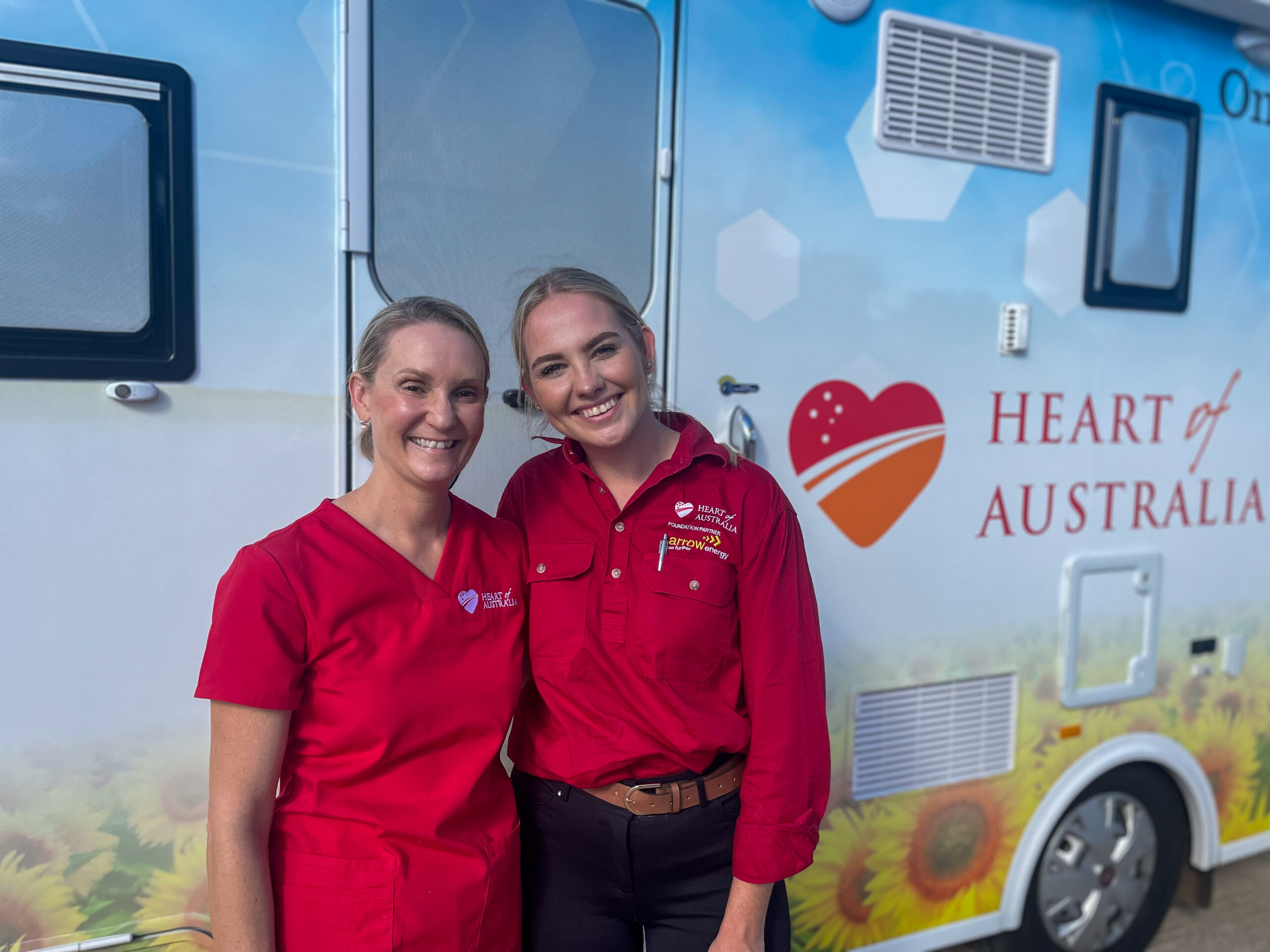
Two women in red Heart of Australia shirts stand in front of the HARI van - it is decorated with sunflowers and the Heart of Australia logo is pictured behind the women.

At Heart of Australia, health equity is vital to our vision of Australian communities who are healthy and resilient, no matter where they live. For many country Australians, accessing innovative life-changing treatment can be challenging due to the hundreds of kilometres required to travel, having to leave their family and work behind, a lack of local resources, and cultural barriers.

This extends to all aspects of healthcare, including the clinical trials space. In fact, a study published in Contemporary Clinical Trials Communication found that these communities have significantly less clinical trial access, with 1.2% rural patients enrolling in clinical trials in comparison to 6.7% of their metropolitan counterparts registering in big cities like Melbourne.

Heart of Australia is addressing the rural divide in access to clinical trials through the Heart of Australia Research Institute (HARI). Launched in 2024, HARI is breaking down these barriers by bringing current clinical trials to the doorsteps of country communities. In doing so, we are ensuring all Australians, regardless of the town they live in, can contribute to and benefit from medical breakthroughs and treatments not yet available to the general public.

The program has expanded quickly, and we are thrilled to announce Novo Nordisk as the first Alliance Member for HARI. Their support is essential in HARI’s mission to pioneer and expand access to ground-breaking medicines that will save lives and enhance well-being in rural and remote Australian communities. This partnership will open up doors for eligible rural patients looking to access the treatments of tomorrow and empower rural healthcare professionals looking to contribute to clinical studies that stand out from the rest.

Heart of Australia will adopt a decentralised clinical trial approach with the support of Novo Nordisk. Its infrastructure will consider Australia’s vast distances at every step to create equitable access for country Australians without patients having to relocate to major cities.

With two clinical trials already underway in rural Queensland, HARI is proving what’s possible when research meets the road. The first rural-focused trial for people with heart failure and inflammation is already well underway, and the second half of this year will see HARI investigating treatments to cardiovascular disease, chronic kidney disease, and heart failure.

If you would like to learn more about the work that HARI is doing, please visit https://heartofaustralia.com.au/clinical-trials/.

Learning is for life: Facilitating rural professional development with Heart of Australia’s GP Education Program

Dr. Gopal stands in front of a presentation that reads "Coronary Management".

Rural and remote GPs face significant inequities in accessing medical education due to geographical isolation, heavy workloads, financial constraints, and lack of resources. These challenges limit their ability to stay updated with medical advancements. The Heart of Australia GP Education Program was created to address these barriers and close the gap in access to medical education. In 2024, the program entered a new era as we welcomed Pfizer Australia as our new education partner to support the delivery of the program.

GPs are hard to come by in rural areas – small country towns have around 60% fewer health professionals than big cities. On top of that, rural GPs often need a broader range of skills than their metropolitan counterparts to meet the unique needs of the communities they serve. However, meeting this need can be a challenge, as the distance that surrounds rural towns makes face-to-face interaction and training with their colleagues incredibly difficult.

Through Pfizer’s support, the Heart of Australia GP Education Program provides educational sessions free of charge to rural and remote healthcare professionals (HCPs), including GPs, nurses, and pharmacists.

HCPs are invited to learn directly from our specialists and share in their knowledge and skills to further improve healthcare delivery in their local communities. Topics cover a range of specialties from cardiology, endocrinology, respiratory and occupational health, and are tailored to address the unique health needs and concerns of rural, remote, and First Nations communities.

An added benefit of these education sessions is that they bring HCPs together in their own communities, allowing them to connect and network without the stress and cost of travel.

Together with Pfizer Australia, we’ll continue working to improving healthcare knowledge and delivery in rural and remote Australia, and connecting our specialists with local healthcare professionals (HCPs) to arm them with the latest in medical education and help build a professional network.

If you are a healthcare professional servicing a community visited by Heart of Australia and you would like to talk to Heart of Australia about hosting a GP Education event in your town, please email reception@heartofaustralia.com.

Heart of Australia announces nationwide expansion

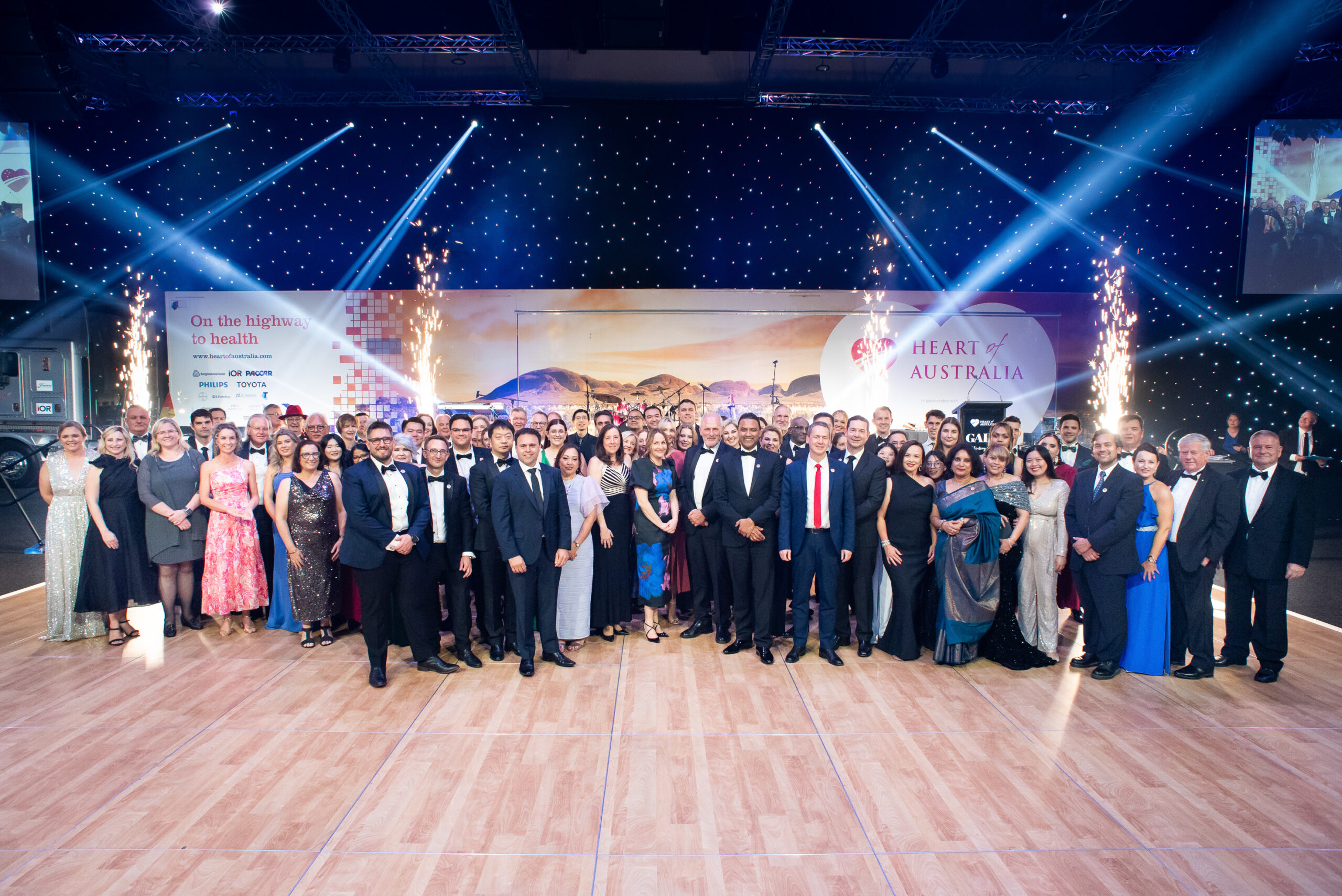
It’s been an exciting time for Heart of Australia as we recently celebrated our 10-year Anniversary at the annual Gala, where Heart of Australia Founder Dr Rolf Gomes made a significant announcement about the future of the organisation.

From 2025, Heart of Australia will be expanding our services to every state in Australia and the Northern Territory, after being selected by the Australian Government to be the mobile delivery partner for the National Lung Cancer Screening Program (NLCSP) in rural and remote communities nationwide.

Lung cancer is currently the leading cause of cancer death in our country, so an increase in screening will mean earlier detection and better health outcomes for patients. To learn more about the NLCSP, click here.

What does this mean for Heart of Australia?

The expansion will see an additional five trucks hit the bitumen over the next two years, joining the existing Heart of Australia fleet to provide mobile lung screening services to people living in rural and remote communities.

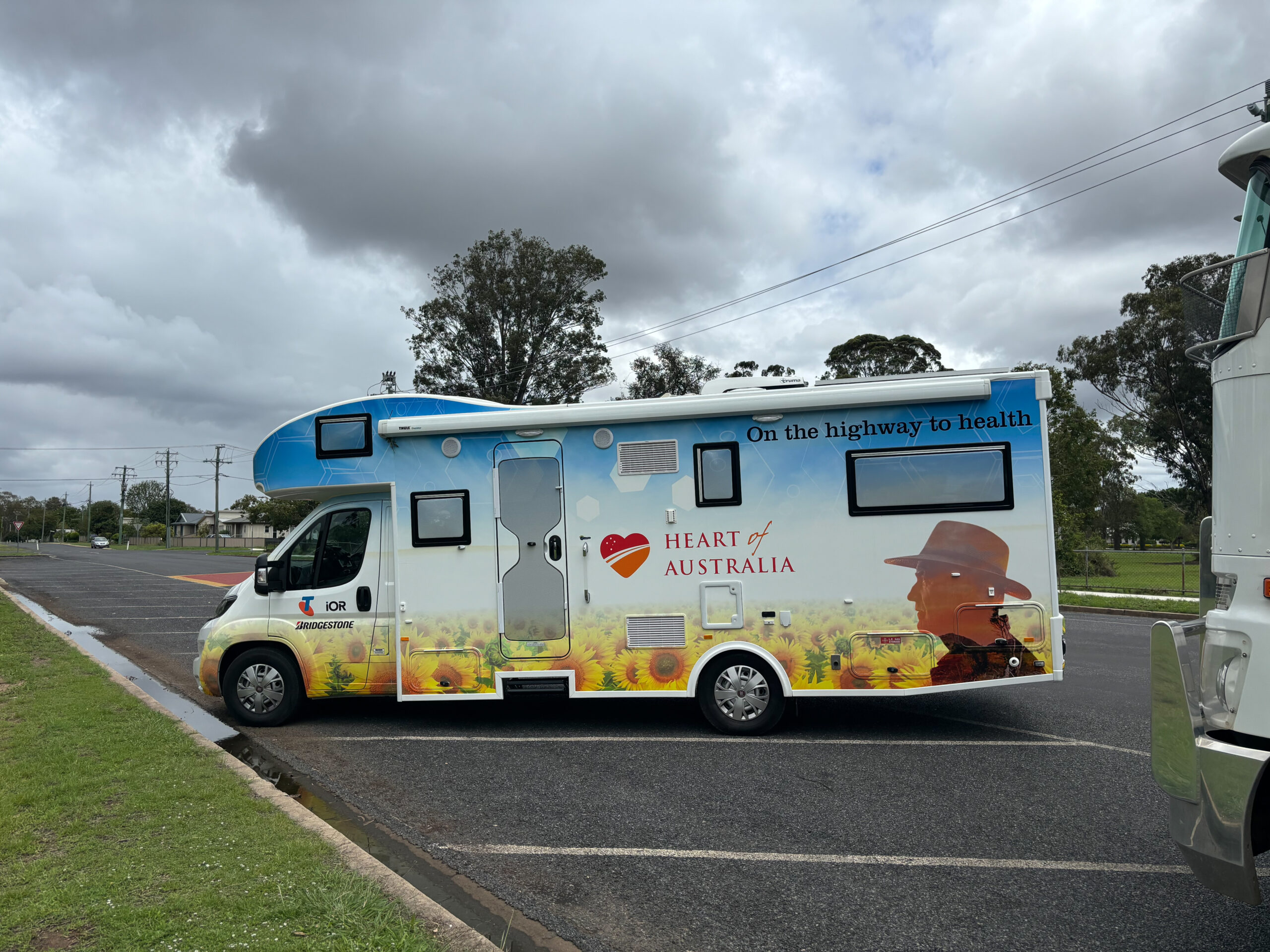
The current fleet of six Heart Trucks operating in Queensland are custom-designed, mobile health clinics capable of delivering specialist services to the doorsteps of rural, remote, and First Nations communities.

The new Heart Trucks will be modelled on HEART 5, the world’s first battery-powered mobile CT truck, which has delivered comprehensive respiratory health checks and radiology services throughout Queensland since 2022. Each new truck be fitted with these mobile CT scanners and radiology diagnostics onboard to deliver the screening service. This allows Heart of Australia to deliver a CT scan anywhere at any time, as part of the NLCSP.

Dr Gomes said the expansion would transform Heart of Australia into a program of national significance.

“Being able to expand our existing services with mobile radiology brings us one step closer to delivering a hospital on wheels to far flung communities,” Dr Gomes said.

“Thank you to all of the patients, GPs, corporate partners and supporters whose ongoing commitment and contribution has been a lifeline in helping us break down the tyranny of distance between the city and the bush.”

After the new trucks join the fleet, there will be a total of 11 trucks providing specialist services, including lung cancer screening, preventative and occupational health screening, clinical trials and education for healthcare professionals and medical students.

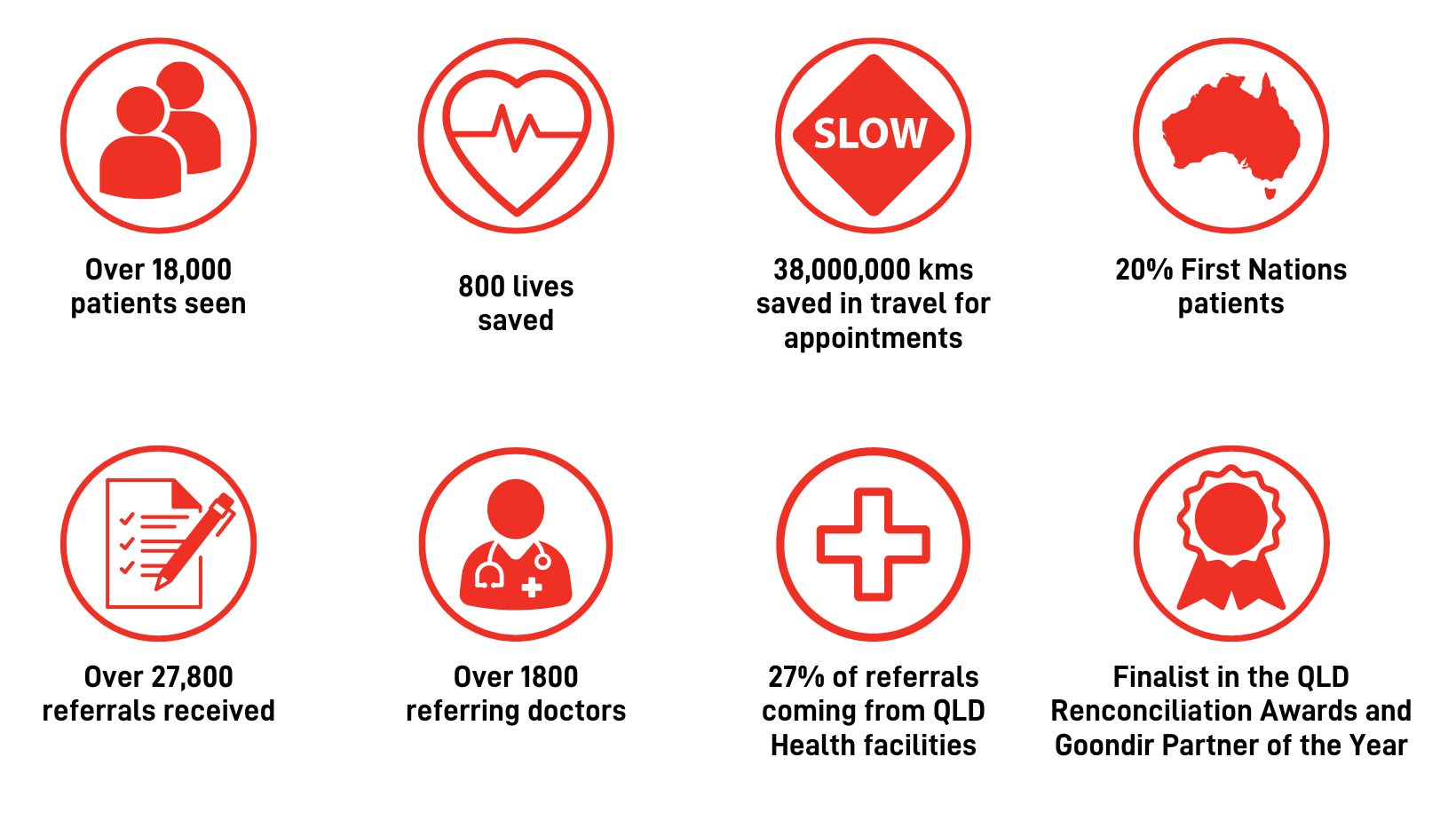
Heart of Australia program statistics since 2014:

A big thank you again to everyone who attended our 10th Anniversary Gala. It was a special evening celebrating a decade of growth, partnership and patient care delivery across Queensland.

During his keynote speech on the night, Dr Gomes reflected on the journey of Heart of Australia since 2014.

“Over the past decade our trucks have travelled more than a million kilometres in Queensland, bringing critical healthcare to nearly 20,000 patients, and saving more than 800 lives”, Dr Gomes said.

“We’ve saved patients a culminative 38 million kilometres in travel for specialist appointments, and this national expansion is testament to the success of our model and the undeniable value of delivering specialist healthcare in rural and remote Australia.”

“Thank you to everyone for your support for the past 10 years. We look forward to sharing the next exciting chapter for Heart of Australia with you.”

The routes for the new trucks are yet to be determined. The first truck, HEART 7, is expected to be on the road by September 2025.