Reflections from our NextGen Medics – June 2024
AN OVERVIEW FROM NILOUFAR:
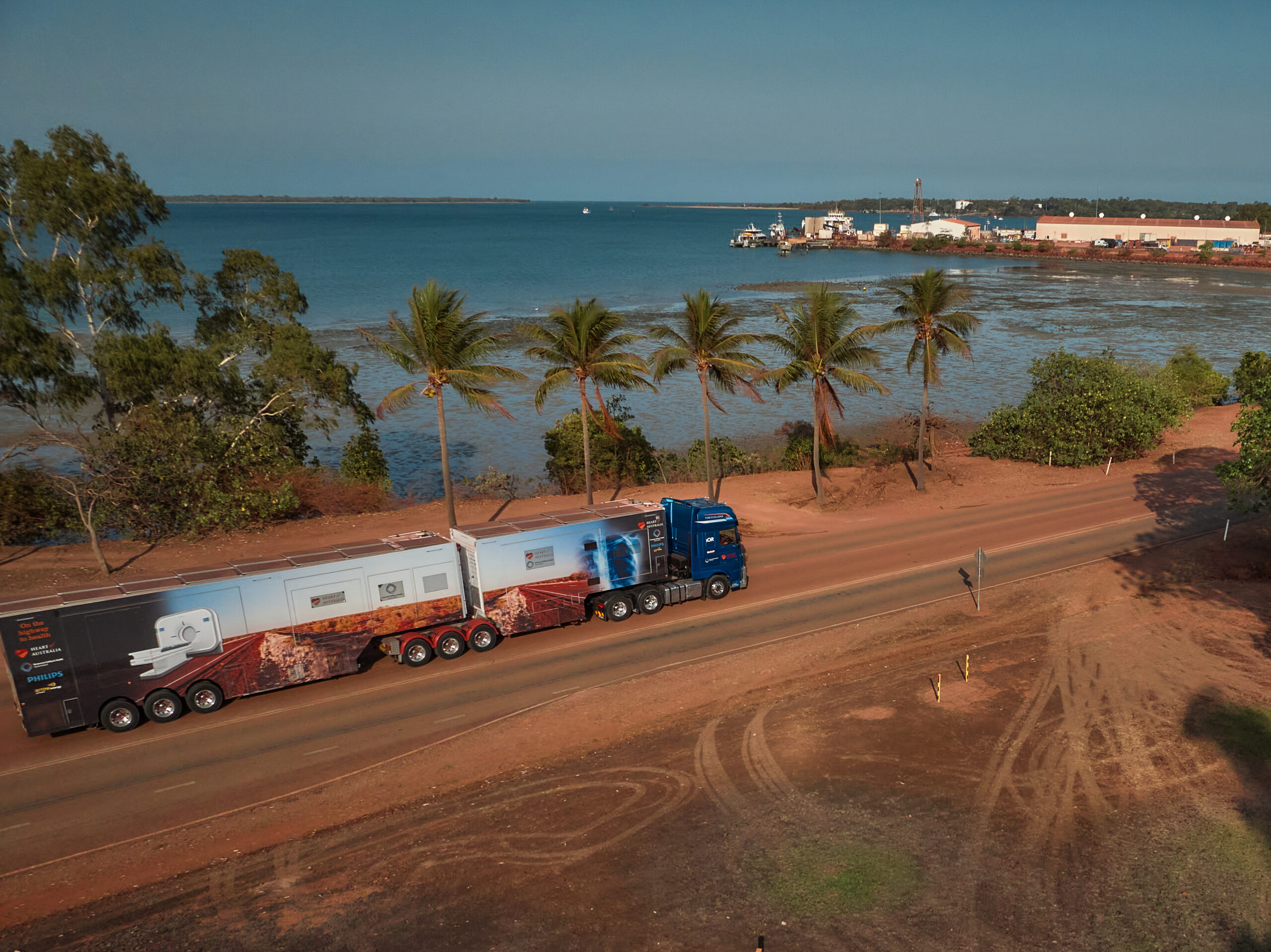
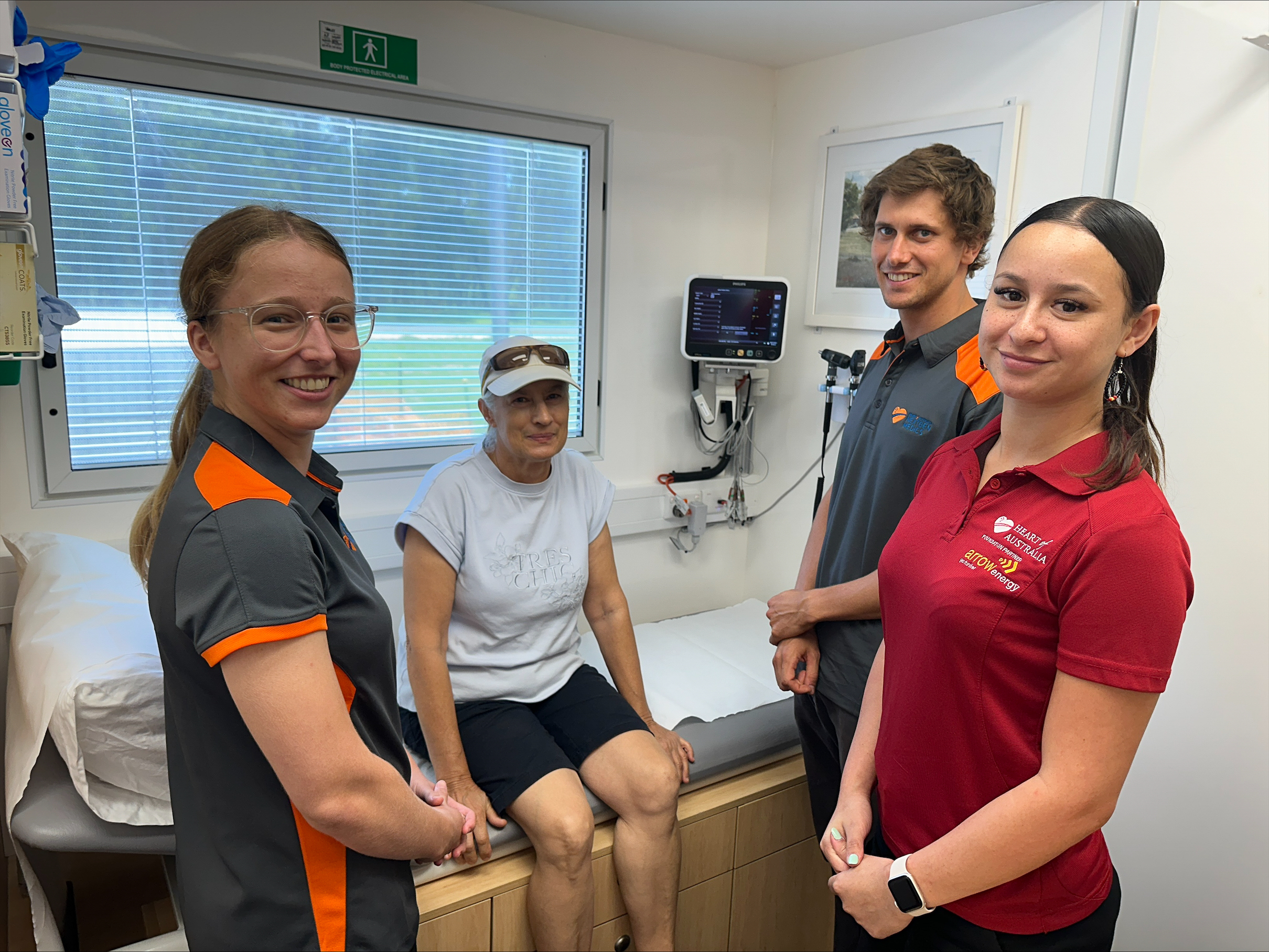
Participating in the NextGen Medics program with Heart of Australia has been a profoundly enriching experience, both professionally and personally. Our journey began in Roma, where I was immediately captivated by the efficiency and warmth of the Heart 2 truck team. The mobile clinic, akin to a fully equipped doctor’s office, was meticulously organized, offering a fantastic environment for learning. The multidisciplinary team, including bus drivers, nurses, sonographers, cardiologists, and gastroenterologists, worked seamlessly together. Every single team member was so positive, happy, and excited to share stories and teach us students.
In Roma, I learned about mitral valve prolapse, its indications for surgical repair, and the criteria for prescribing blood thinners. These insights were invaluable, as they bridged the gap between theoretical knowledge and clinical application. At the Roma hospital, I had the opportunity to observe surgical procedures, including an inguinal hernia repair and a laparoscopic cholecystectomy. The resident I shadowed was incredibly supportive, guiding me through patient discharges, medication protocols, and the intricacies of medical paperwork. A memorable interaction involved a Jehovah’s Witness patient, which highlighted the importance of respecting patient beliefs and adapting procedures accordingly. I also appreciate thinking on the spot together and solving problems. For one patient, the ECG we were attempting to place had a lot of background vibration, and was difficult to get a clear reading. The lovely nurse had told us that it was because of the vibration of the bus itself. I thought to myself, what if we unplug the bed, as that might decrease the vibration of the bed given that it was remote controlled and likely to be affected by the moving of the truck. I quickly unplugged it and all of a sudden the ECG’s looked normal! It was such a wonderful moment, and I was told I “saved the day” which made me smile. This experience reinforced the importance of creative problem-solving and collaboration in providing patient care in dynamic settings.
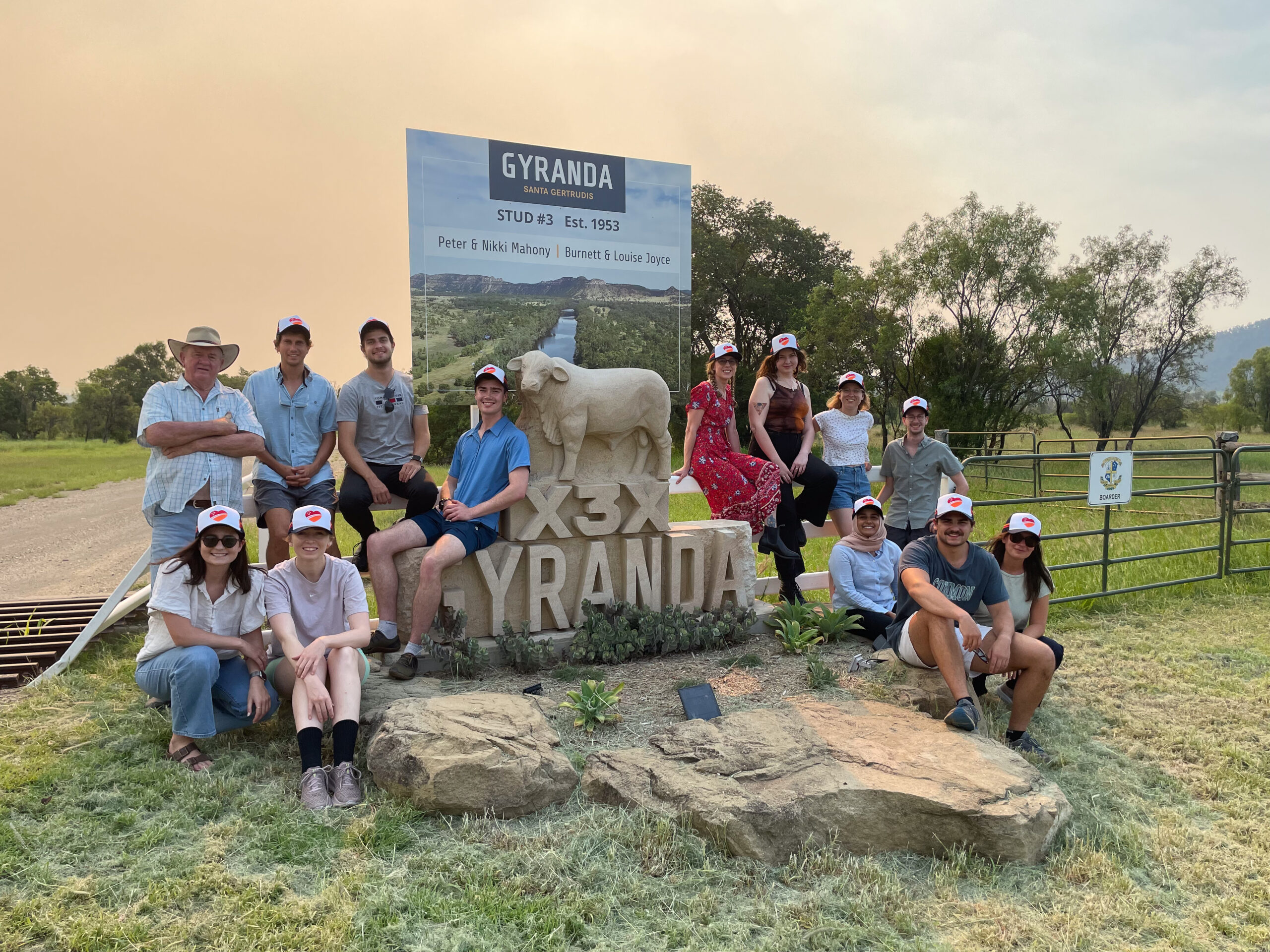
Our next stop was Theodore, a town that exuded warmth and hospitality. The care home visit was particularly touching. I had heartfelt conversations with residents, like Val, who shared delightful stories about her life and loved ones. It was a lovely moment when she held on to my hand when we said goodbye, squeezed it tight, and said “can’t wait to see you again!” She also shared that her partner was in the hospital receiving care here as a resident, and it was so lovely to see him the next day on hospital rotations and say hello. In Theodore’s clinic, my colleague and I encountered a patient with an elevated PSA level. We worked through potential causes and later discovered it was due to a farm accident. This diagnostic process reinforced the importance of thorough clinical evaluation and contextual understanding in rural healthcare settings. Later that night, we went to the incredible hotel just out of town in Cracow and made history by writing our names on the walls and ceiling of this bar. We also learned about the farming and cattle industry from a couple of wonderful families who came in and shared their stories about their work and the industry. We learned a lot about the town, the interesting people who live and work there, and even the geology of the town!
Emerald, our final destination, was a picturesque town, though our search for platypus was in vain. Here, I continued to learn and grow, absorbing the nuances of rural medical practice. I had a wonderful conversation with one of the fantastic alumni who joined us on this trip, Claire. She had told me that regardless of whether I knew an answer was right or not, to always answer with confidence. She said that supervisors would remember the way we answered questions, not if we got them correct. This gave me the confidence to express my thoughts and answer questions that I may feel like I have the answer to, despite not being 100% sure in myself. I vowed that I would try to do this and to trust in my abilities as a student, and to embrace my mistakes when I make them. The next day, we were on the Heart 1 truck in that provided a consistent, high-quality healthcare experience, further solidifying my clinical skills. I heard my very first heart murmur and after the conversation with Claire the night before, confidently shared my thoughts with the cardiologist—who told me I was right about the diagnosis! This was a very special moment for me, and I will carry it with me throughout my training and career.
The NextGen Medics program has been an exceptionally rewarding experience. It provided a unique opportunity to learn about the healthcare needs of Queensland’s rural and remote communities while contributing to their well-being. I gained practical skills, developed a deeper understanding of health inequities, and fostered meaningful connections with our team and healthcare professionals alike. Gratitude; Arlie, thank you from the bottom of my heart for organizing this fantastic program. Being accepted into this program and joining such a passionate and dedicated team has been an honour. Your positive energy and unwavering support kept us motivated and excited throughout our journey. You truly are the heart of the NextGen program, and we are incredibly fortunate to have you leading us. Thank you for this unforgettable experience and for inspiring us to make a difference in rural healthcare
JASMYN ON ROMA
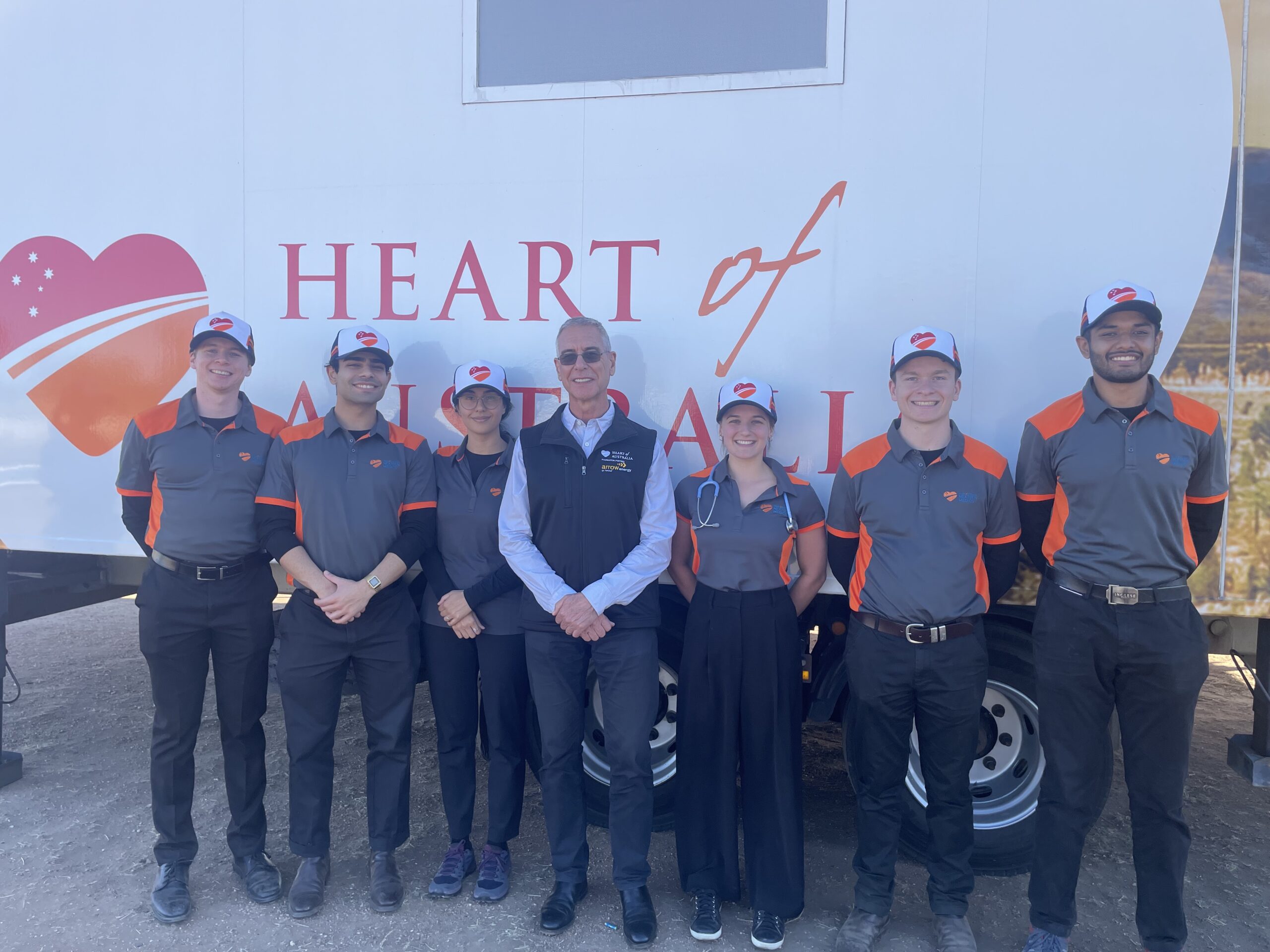
6 days. 5 towns. 1169 km travelled. What an experience!Our adventure began with a gathering of six shy medical students, two alumni, and our wonderful organiser, Arlie, at the Heart of Australia (HoA) headquarters. After a quick induction, we embarked on a 6-hour drive to Roma. Barely out of Brisbane, our group clicked, and bonds began to form. Our first stop was Dalby, my home for the next two years. Despite being a local for only six months, I felt immense pride in Dalby’s social enterprise, Goondir Health Services. We were fortunate to tour the practice and listen to Deb, the specialist coordinator, discuss the company’s structure and goals. Working regularly with Goondir as a Griffith medical student, I’m continually inspired by their efforts to provide health equity to First Nation people. Both Goondir and Heart of Australia share a sustainable business model aimed at addressing health inequalities in Australia. After lunch with the Goondir staff, we resumed our journey, driving another three hours to Roma. Upon arrival, we switched into tourist mode and attended the Big Rig Night Show, where we learned about Roma’s history and mining origins. The day concluded with a group dinner and a meet and greet with some of the medical aid and truck drivers working within HoA. The second day marked our first clinical day of the trip, and for many in the group, it was their initial interaction with a clinical setting. We toured Roma Hospital, and I was amazed by the facilities. After a brief tour, I had the opportunity to spend time in the theatre observing general surgery operations. It was fantastic to network with the junior doctors, as that will be my role in the near future. The highlight of my day was visiting the HoA truck and seeing their specialty services. The operations and layout of the trucks were impressive. As a rural clinical student, I haven’t had much exposure to specialists, making my time with Dr. Nick Aroney and Dr. Tony Rahman even more special. I am incredibly thankful for the knowledge I gained in those few short hours on the trucks. Being from a rural town, I was aware of the logistical complexities within such settings. However, I never fully appreciated how these challenges are exponentially greater in remote areas like our western neighbours. My time with Heart of Australia has been invaluable, and I am inspired to continue striving for health equity.
TOM ON DALBY & ROMA
My first day on the Heart of Australia trip began at our base in Chelmer. We embarked on our journey, accompanied by the beautiful country landscape, groovy Spotify playlist and new friends. We arrived at Goondir clinic in Dalby for lunch, where we learnt about servicing the Aboriginal community of Dalby by utilising a holistic care model. Dr Raeed Mustafa shared his experiences with us, revealing how he must practice at the full boundaries of his scope of practice, and how he finds this to be incredibly rewarding and exciting. He explained the challenges within his community, and how some people currently have a lack of trust in hospitals. This has resulted in there being many emergency presentations to the Aboriginal Medical Service. Dr Mustafa expressed how it is our mission as future doctors to work to build back this trust, creating justice for rural healthcare. Day 2 began at Roma Hospital, where we were given a tour of the dental clinic, wards and emergency. For 2 hours, the NextGen Medics team split up, and I was placed in the wards. Here I met Dr Nikita Shanley, an incredible mentor and teacher. Her knowledge and ability to connect with her patients were unparalleled, and after only two hours, I had learnt a lot. Her exciting career as a Rural Generalist Anaesthetist was incredibly appealing, a career I could definitely see for myself. One of Dr Shanley’s patients was a 5-month-old bub. When I listened to the baby’s chest, their crystal blue eyes widened with curiosity. As I was finishing up, tiny fingers wrapped around my stethoscope, forming a moment of wonder and innocence as a cute mini tug-of-war began. A memory that’ll stay with me forever – my first ever baby patient. After lunch, we ventured to the amazing Heart 2. If I had to compare it to something, I’d have to say a tent from Harry Potter. Although from the outside, the truck appears large, the inside opened up even further to a seemingly endless space of medical technology. As I sat with Dr Rahman and Dr Aroney, it was impossible to not appreciate the level of trust, respect and appreciation the patients have for the doctors as they were able to receive high-quality healthcare so close to home. I can’t wait to spend more time over the next 4 days inside the Heart of Australia trucks, learning more about this transformative service for rural healthcare. I’d like to thank Dr Gomes, Boehringer Ingelheim and the Heart of Australia NextGen Medics team for bringing us students all together. This was the first opportunity I’ve had to meet medical peers from other universities. Establishing these connections with intelligent, passionate and like-minded people will prove to be invaluable in the future for my career in rural healthcare.
ROHAN ON THEODORE
Looking back on my time with Heart of Australia, travelling through the outback, exploring the towns with the crew and delivering essential specialized care to patients living out there, it was such an amazing opportunity and experience, truly fortunate to have been a part of it. Our trip took us to towns all throughout inland Queensland, some of which were Roma, Theodore and Emerald. Of these, I just wanted to talk a little about my time in Theodore, where I got to witness first-hand, the need for rural doctors and healthcare workers. In this small town of about 300-400, there is only one conjoined clinic-hospital which was setup by Dr. Charter 30 years prior. During my time there I got to interact with a UQ-graduate intern who had spent her latter half of her medical studies in Rockhampton. Hearing her stories about the hands-on experience as well the critical thinking and autonomy that she was able to apply in situations made me further intrigued in rural healthcare and in turn convinced me to pursue finishing my medical studies out in the rural town, Toowoomba. I was very glad to have experienced this side of healthcare, because I believe that through my time in rural Australia, I will not only get a chance for more experiences, but I will become a better doctor because of it. The message that I kept hearing from rural doctors throughout this whole trip seemed to share the same notion that the best place to learn and apply medicine is in rural settings because you need to be able to rely on yourself and your own way of thinking. I am very glad I got to enjoy this side of medicine through this trip! I am also very, very glad to have had such an amazing crew to share this journey with, I feel that I connected with all the other students, alumni and coordinator of the trip (Arlie) on an individual and personal level. I am excited to see how their future careers shape up to be and am so keen for our futures together! Thank you again so so much for the trip and send my warmest regards to the HOA and BI teams for making this possible!!
SEP ON EMERALD
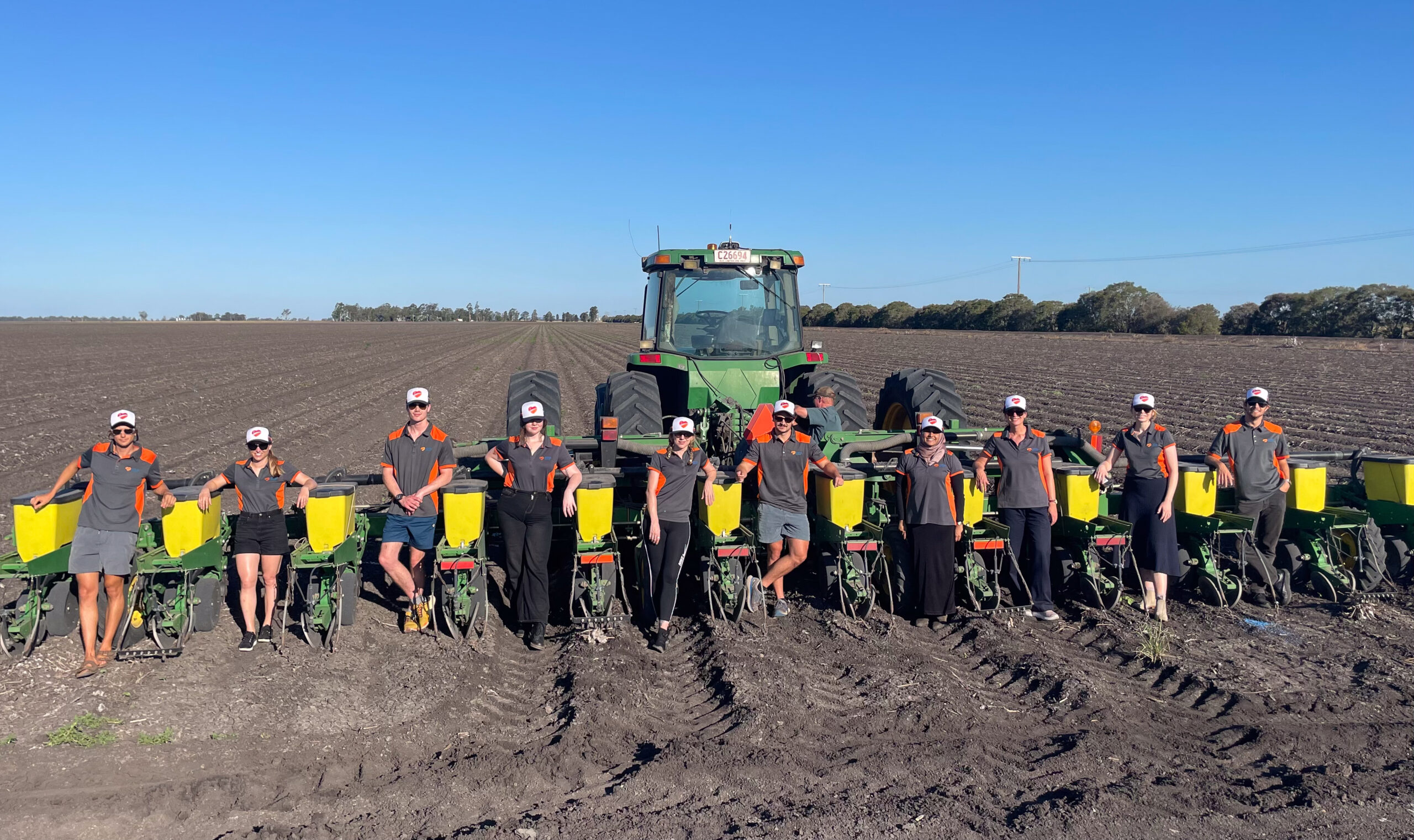
Sitting at the back of our plane, gliding through to Brisbane’s flashy lights, I think it’s time to put my metaphorical pen (my thumbs) to my metaphorical paper (my notes app) and reflect on our last stop: Emerald. Although I was in Emerald as a medical student, I also loved being a visitor and getting a glimpse of life in town. Ultimately, there’s more to life than medicine, and it was nice to see the things which make Emerald a lovely place to be. We went to AgGrow, an expo where I saw a horse auction – igniting my burning desire to be a cowboy. I have ultimately decided that I still want to be a doctor more than a cowboy, but it’s pretty close. We went to the Costa 2PH Citrus mandarin processing facility, and I learnt that mandarins undergo a million steps to ensure their quality before I buy them and forget to eat them. We also went on Emerald Parkrun, where my joy of setting my personal best in the 5km was dampened by not being able to beat Tom. Tom and I have decided to continue Parkrun on the Sunshine Coast, so I’m sure I’ll get him eventually. From a visitor perspective, the takeaway is that there’s plenty to be excited about in towns like Emerald. There were also plenty of things to take away as a medical student. In particular, it was enlightening to see and speak to the specialists on Heart 1 – Dr Moolman and Dr Wyld. There’s no doubt that they possess the skill and expertise that you’d expect from experienced specialists. However, the thing that impressed me the most was their passion. It takes a certain kind of person to fly out away from home on their weekend to work. The specialists demonstrated a passion for their patients, ensuring they understood their diagnoses, and that they were clear on the next steps for their condition. Decisions regarding treatment were carefully considered against the patient’s circumstances, individualizing the care received. Speaking to them after, I saw the enthusiasm on their faces as they described strategies they’d developed to get patients on board with their recommendations, and prior anecdotes of how they were able to make a difference to patients. A special mention goes out to Joe the sonographer, who showed us all how to perform a transthoracic cardiac echocardiogram. His attention to detail and perfectionism was astounding, made more impressive by his efficiency in the post-exertional phase of the stress echo. It was lovely to meet the committed, passionate, and competent people working on Heart 1 in Emerald. As a medical student early in my career, they are people to aspire to. Thank you to Arlie and the Heart of Australia for the experience.
HARRISON OM EMERALD
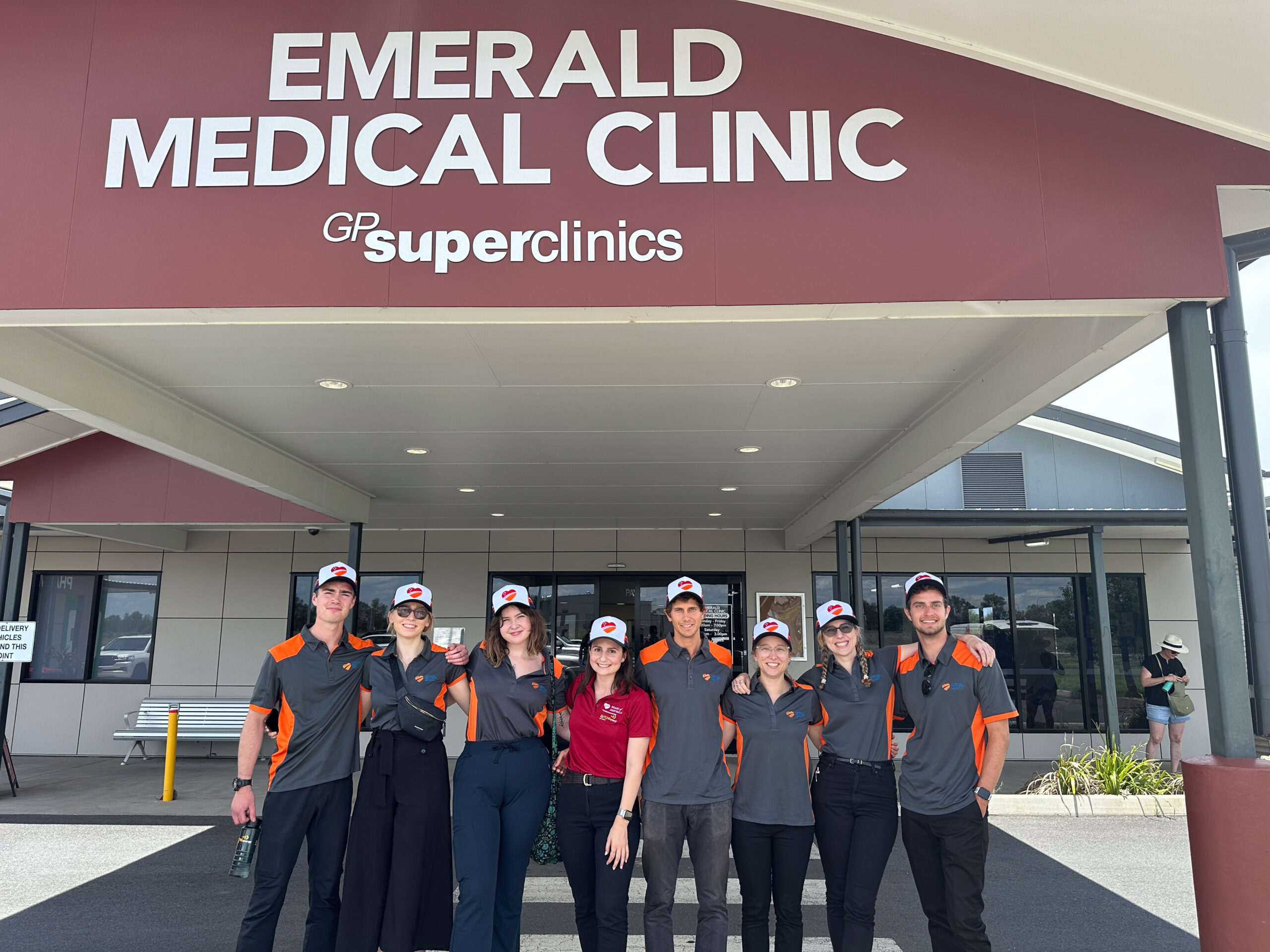
Upon arriving in Emerald after a long drive from Theodore, we first went to the local Emerald Super Clinic. There we met Paul Bell, the Chairman of the Emerald Medical Group Board, who gave us a detailed tour of the facility. The centre was vast, and I particularly enjoyed Paul’s insightful explanations regarding the inner workings of the clinic and the plans for future expansion to accommodate more patients. His passion was truly inspiring, and this tour provided me with increased knowledge regarding the provision of healthcare in rural environments, as well as the difficulties faced. After this, we then ventured to the local Costa Citrus Farm. To be completely honest, I only expected to receive a tour out in the paddock among the thousands of mandarin trees. However, Luke, a manager at the site, guided us through the enormous packing shed. The scale of this operation was remarkable, and I can confidently say I have never seen anything like it in my life. Watching all the conveyer belts move and the machines buzz as they processed tens of thousands of mandarins was truly amazing. The following morning, we all attended the local AgGrow Field Day following the five-kilometer Park Run. I was able to relax and watch the horse auctions at the show, and then I went on a walk to view all the other attractions throughout the grounds. This event was a great way to relax and bond with both my fellow NextGen medics, as well as the local Emerald Community. After AgGrow, we went to the Heart Truck, where we spent the rest of the day. Both the cardiologist, Dr. Moolman, and endocrinologist, Dr. Wyld, were extremely knowledgeable and willing to teach, which made sitting in on their consultations very interesting and engaging. A particular highlight of this day was with the sonographer Joe, when he let another student and I conduct an echocardiogram on a consenting patient. Joe’s mastery of his profession was inspirational and given that I had not had exposure to many ultrasounds before, I found learning through this experience to be exciting and exhilarating. Watching the heart’s rhythmic beats on the ultrasound screen was extremely beautiful and has deepened my interest in cardiology further. The following day was the last of our trip. We spent the entirety of the day on the truck working with the heart team, before catching an evening flight to Brisbane. Saying my final goodbyes to everyone in the airport was very difficult. I feel that this experience was truly life changing and has expanded my understanding of healthcare delivery in rural environments. Being able to meet and work with students from different universities was valuable, and I believe I have forged many lifelong friendships as a result of this journey. Moreover, the heart team were lovely to meet and interact with, and their dedication to providing equitable healthcare to all Australians is extremely admirable. I would like to extend my gratitude to Boehringer Ingelheim for supporting this program and making it possible, as well as to our trip coordinator, Arlie. Arlie took care of us all extremely well and created an unforgettable experience. I now hope to return in the future as an alumni and continue representing Heart of Australia and the wonderful work they do.